You Eat THOSE and They're Good For You? (Mushrooms)
This article is for informational purposes only and is not meant to diagnose or prescribe. It does not replace the care of a qualified health professional.
The Surprising Health Benefits of Mushrooms: From Grocery Stores to Powerful Supplements
They’ve been all over the news for the last few years, but they’ve been in grocery stores since I was a child — and that was a long time ago. Many people eat them as food. They have a stronger nutrient profile than most people realized 40 years ago. I’ve never been fond of them. I don’t like their texture.
But as a supplement — dried and powdered — I value them.
Why Medicinal Mushrooms Are More Powerful Than You Think
We’re talking about mushrooms. It is estimated that there are about five million species of mushrooms. About 2,000 are known to be safe for human consumption, and only about 25 are commercially available, with eight of them being especially beneficial for health.
Generally speaking, mushrooms are good sources of selenium, potassium, riboflavin, niacin, and vitamin D. They promote healthy glucose and lipid metabolism, have immune-supportive properties, act as prebiotics, and support the gut microbiome.
Top 8 Health-Boosting Mushrooms You Should Know About
You’ve likely heard of most of these eight:
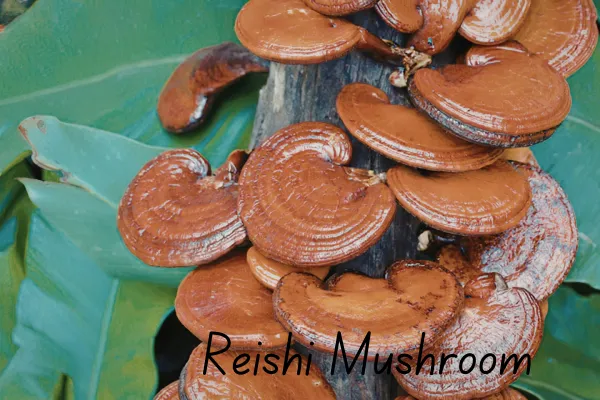
Reishi Mushroom: Immune Support, Stress Relief, and Vitality
We’ve known about reishi’s immune-supportive properties for many years. It has also been shown to help mitigate stress responses and increase overall vitality.
Lion’s Mane Mushroom: Brain Health, Memory, and Cognitive Support
Recognized for its benefits to brain health. Studies suggest it may enhance memory and cognition.
Cordyceps Mushroom: Exercise Endurance, Oxygen Utilization, and Energy
Studies suggest it may benefit exercise endurance and strength. It appears to help the body use oxygen more efficiently and offers adaptogenic, antioxidant, and immune-supportive properties.
Maitake, Shiitake, Chaga & More: Powerful Immune-Supporting Mushrooms
Maitake – Also beneficial for immune support.
Shiitake – Supports immune health, helps rebalance inflammatory responses, and promotes antioxidant activity.
Chaga – Supports immune system function and response.
Agaricus (Button Mushroom) – May activate macrophages and natural killer (NK) cells involved in immune response. Some sources suggest it may have antiproliferative effects and may help reduce insulin resistance.
Turkey Tail – Immune-modulating and supports antioxidant activity.
The Secret Power of Ergothioneine (EGT) in Mushrooms
Why are so many mushrooms so beneficial? They contain a substance called ergothioneine (EGT). Research into the effects and benefits of EGT is showing considerable promise.
First, EGT crosses the blood-brain barrier and appears to help regulate normal inflammation in the brain. Studies suggest improvements in learning, support for age-related cognitive changes, enhanced stress resilience, and deeper, more restorative sleep.
EGT does not readily break down in the body and may even be stored. It appears to activate enzymes that support antioxidant status. EGT may also support anti-aging proteins called sirtuins, as well as mitochondria — the energy powerhouses of our cells.
Best Mushroom Powder Supplements for People Who Dislike the Texture
If you enjoy eating mushrooms, keep at it! If you’re like me and are not fond of the texture of fungi, Nature's Sunshine has you covered.
My Immune Defense (NSP): A Potent Mushroom Blend
Contains agaricus (common button mushroom), reishi, turkey tail, shiitake, cordyceps, and chaga. This powder mixes well with many foods.
Cordyceps (NSP): My Favorite Daily Mushroom
Encapsulated — this is one of my favorites!
References
https://www.casi.org/5-benefits-ergothioneine
https://www.casi.org/8-clinically-relevant-mushrooms-2025
https://www.casi.org/immune-supportive-properties-of-mushrooms