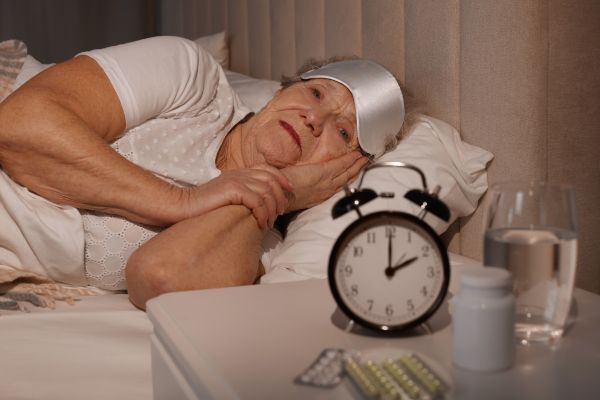
Tips For Better Sleep for Women
Better Sleep for Menopausal Women: The 10 Commandments of Sleep (No Pills Required)
Why Sleep Is So Hard for Menopausal and Older Women
Sleep is an issue for so many menopausal and older women.
Often they think the only way to get better sleep is with supplements or prescriptions. In some cases, this may be true, or your poor sleep may be due to circumstances beyond your control — like caring for an aging parent or an unwell partner.
But in many cases, better sleep comes down to some very actionable things you can do that cost nothing and are not “another pill to swallow.” This is the best first place to start.
Why You Should Try These Natural Sleep Strategies First
Before turning to medication, it’s worth implementing these foundational habits. Many women see significant improvements by focusing on simple, free changes to their daily and nightly routines.
The 10 Commandments of Sleep for Menopausal Women
Adapted from the work of Dr. Adam Moscovitch, formerly of the Foothills Hospital’s Sleep Centre, and Deepak Chopra’s book Better Sleep, here are the 10 Commandments of Sleep:
1. Create a Relaxing Wind-Down Routine
Schedule a relaxing period before going to sleep to separate your body and mind from the day’s hassles.
2. Use Your Bedroom Only for Sleep and Sex
Use your bedroom primarily for sex and sleep and not as an all-purpose activity area.
3. Optimize Your Sleep Environment
Your bed should be comfortable, large enough, in a quiet, dark room and at the right temperature.
4. Stick to a Consistent Sleep Schedule
Keep a regular schedule, going to bed and getting up at the same time each day. Learn to relax in bed until you fall asleep. Train yourself!
5. Be Smart About Napping
Be consistent about taking naps. Take one regularly or not at all.
6. Time Your Exercise Right
Exercise regularly in the morning or early afternoon, but do not engage in strenuous activity late in the evening. A relaxing, mild physical activity might be helpful close to bedtime.
7. Cut Caffeine and Quit Evening Smoking
Avoid caffeine in all forms. Smoking close to bedtime or at night causes further sleep disruption, so quit now to help your adrenals!
8. Avoid Alcohol and Drugs as Sleep Aids
Don’t use alcohol or street drugs as sedatives. While they might help you fall asleep initially, they lead to sleep disruption and deprive you of deep sleep, sometimes for years after stopping heavy use.
9. Choose the Right Evening Snack
If you feel hungry in the evening, have a light snack that includes a light protein. Heavy meals close to bedtime can result in discomfort and bizarre dreams.
10. Stop Trying So Hard to Fall Asleep
Above all, don’t try too hard. If you can’t fall asleep, just lie in bed focusing on relaxing your body and clearing your mind. There is some rejuvenation in resting.
What to Do If These Sleep Commandments Aren’t Enough
If putting all of these into place is not having the impact you want — stay tuned for the next issue where we’ll look at some other potential sleep influencers in menopause and post-menopause.